What Is a Surge Protector Device? A Comprehensive Guide
Company News, News 2025-12-16
Surges are sudden, sharp increases in voltage that can course through your electrical wiring in millionths of a second. In our digital age, where everything from smart home hubs to industrial servers is plugged in, these invisible spikes are a leading cause of electronic equipment failure. This guide explains what a surge protector device is, how it works, and why it’s a non-negotiable component for modern electrical safety.
Understanding the Threat: What Are Power Surges?
A power surge, or transient overvoltage, is a brief but extreme spike in your electrical system’s voltage, far exceeding the standard 120V or 230V. These events can originate externally from lightning strikes or utility grid switching, or internally from high-power devices like air conditioners and elevators cycling on and off. Even a minor surge, repeated over time, can degrade sensitive circuitry, leading to premature failure.
What Is a Surge Protector Device (SPD)?
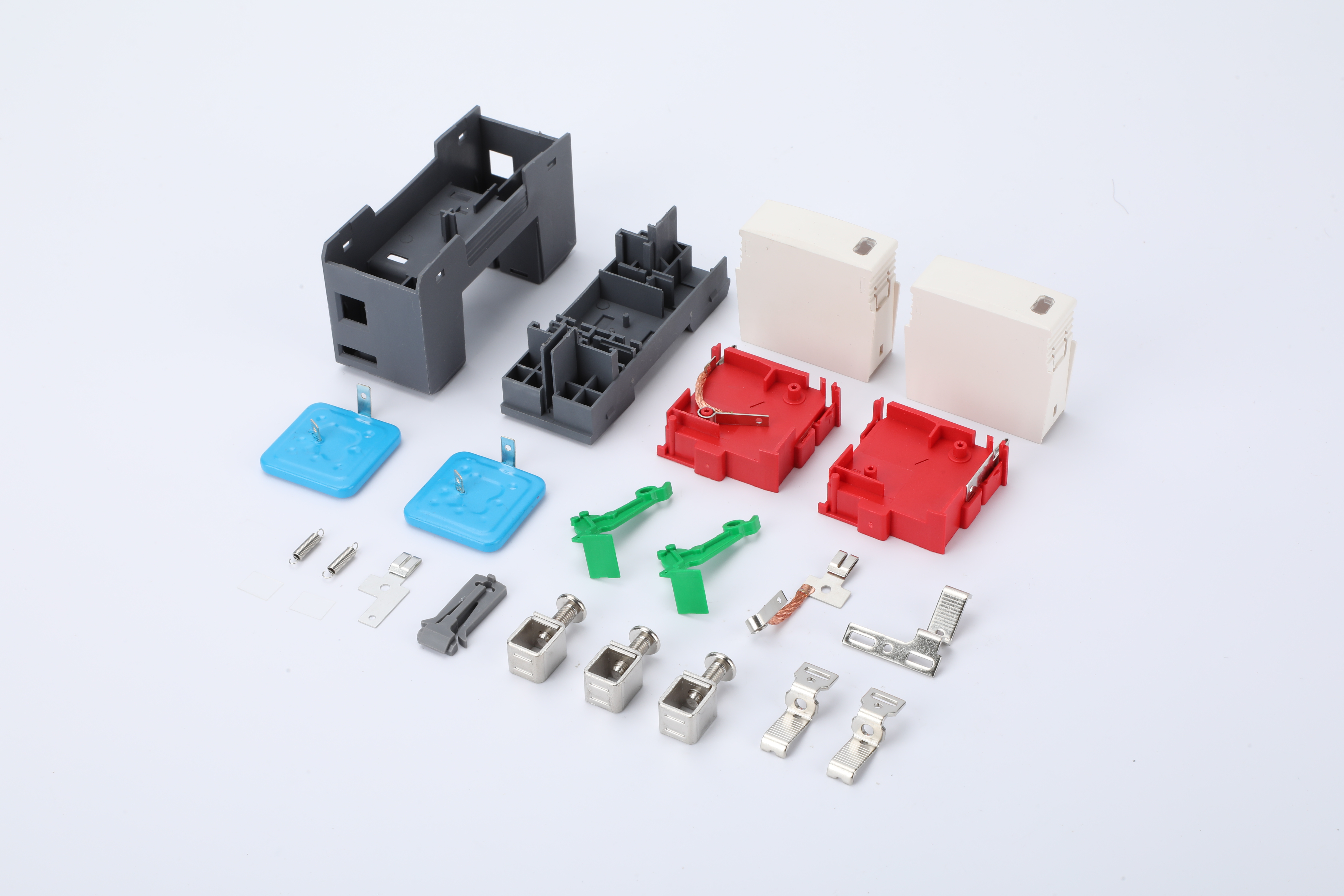
A Surge Protector Device (SPD), also commonly called a surge protector or arrester, is engineered to safeguard electrical and electronic equipment by limiting transient overvoltages and diverting surge currents. It acts as a gatekeeper, installed parallel to the power supply line, monitoring voltage and instantly activating when a dangerous spike is detected.
Core Function: The “Pressure Relief Valve”
Think of an SPD as a highly sophisticated pressure relief valve for your electrical system. Under normal conditions, it presents high impedance and is virtually invisible. When a surge occurs, it switches to a state of low impedance in nanoseconds, creating a safe path to divert the excess energy to the ground, thereby clamping the voltage to a safe level for downstream equipment.
How Does a Surge Protector Work? The Technology Inside
The protective action happens through key components. The most common is the Metal Oxide Varistor (MOV), a semiconductor that changes resistance with voltage. At normal voltage, it’s an insulator; at surge voltage, it becomes a conductor to divert energy. For faster response or higher currents, Gas Discharge Tubes (GDT) and Transient Voltage Suppression Diodes (TVS) may also be used. Modern SPDs intelligently combine these technologies in multi-stage circuits for robust protection.
Types of Surge Protective Devices: Building a Layered Defense
Effective protection uses a coordinated, multi-level approach, often defined by Types (IEC standard) or Classes (UL standard).
| Type (IEC 61643) / Class | Installation Point | Primary Role | Common Applications |
| Type 1 / Class I | Service entrance, main distribution panel | Protects against external surges like direct/indirect lightning strikes (handles 10/350µs wave). | Buildings with external lightning rods, industrial facilities. |
| Type 2 / Class II | Sub-distribution boards (e.g., branch panels) | Protects against internally generated surges and residual currents from upstream. The backbone of protection. | Residential main panels, commercial floor panels, factory machine lines. |
| Type 3 / Class III | Point-of-use (close to equipment) | Provides fine protection. Must be used with a Type 2 upstream. | Power strips, plug-in adapters, outlets for computers, medical devices. |
Critical Parameters for Choosing the Right Surge Protector
Selecting an SPD requires checking key specs on its label:
Maximum Continuous Operating Voltage (Uc): The max voltage it can withstand continuously. Should be 10-15% above your local supply voltage.
Voltage Protection Level (Up): The maximum voltage let-through after clamping. Lower is better for sensitive electronics.
Nominal Discharge Current (In): The surge current (8/20µs wave) it can withstand multiple times, indicating durability.
Maximum Discharge Current (Imax): The single maximum surge current it can handle once.
Response Time: How fast it activates. Quality SPDs respond in nanoseconds.
Standards & Certification: Always look for compliance with recognized standards like UL 1449 (North America) or IEC 61643 (International), which validate safety and performance claims.
Trusted Solutions: Sunpeace Surge Protection
For protection you can rely on, consider the engineered solutions from Sunpeace. As a specialist in electrical safety, Sunpeace offers a comprehensive range of UL and IEC-certified surge protective devices designed for diverse applications. Sunpeace SPDs are built with robust components to ensure a high surge current handling capacity and a low voltage protection level, effectively shielding valuable equipment. Whether for a smart home, a data center, or a solar power plant, Sunpeace provides tailored solutions, combining product excellence with technical support to help you design a complete, layered protection system. Choosing Sunpeace means investing in durability and peace of mind.
Key Applications Across Sectors
Residential: Protects home appliances, entertainment systems, and smart home networks.
Commercial & IT: Essential for safeguarding servers in data centers, POS systems, and office networking gear.
Industrial: Critical for preventing downtime and damage to PLCs, motor drives, and assembly line machinery.
Renewable Energy: Solar PV systems are particularly vulnerable; both DC (panel side) and AC (grid side) SPDs are mandatory for system longevity and safety.
Installation, Maintenance, and Best Practices
Professional Installation is Key: Especially for Type 1/2 SPDs. Correct installation with short, straight connections to ground is crucial—poor wiring can drastically reduce effectiveness.
Regular Inspection: Most SPDs have a visual status window (green/red). Check them periodically and after a major storm.
Replacement: SPDs have a finite lifespan. If the indicator shows failure, or after a known major surge event, replace the module promptly.
Conclusion
A surge protector device is a vital defense mechanism in our electrified world. It proactively guards against unpredictable voltage spikes that can lead to costly equipment damage, data loss, and operational downtime. Understanding the different types and specifications allows you to implement a coordinated protection strategy—from the main panel to the sensitive device. Partnering with a reliable provider like Sunpeace ensures you receive not just a product, but a complete solution for lasting safety and reliability. Protecting your investments today with a robust SPD system is a wise step toward a more secure and resilient electrical infrastructure.
Disclaimer: This article is for informational purposes. The selection and installation of surge protection devices should be carried out by qualified professionals in accordance with all applicable local electrical codes and standards.
Contact US
Facebook:Sunpeace electric
YouTube:Sunpeace electric
Shop on our Alibaba:Sunpeace electric