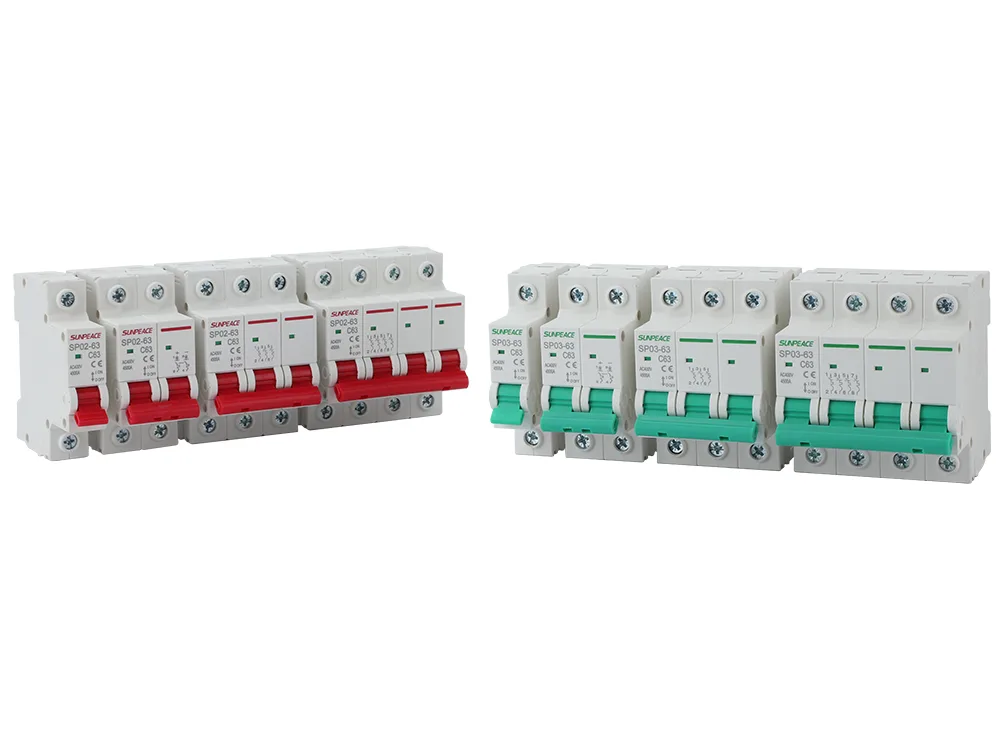
Circuit Breaker for Solar
Company News, News 2025-12-02
Imagine you’ve just spent weeks picking out sleek solar panels, mounting them on your roof, and hooking up the inverter—only to have your system shut down randomly. Or worse, a spark from an overloaded circuit damages your brand-new panels. The culprit? A wrong circuit breaker.
If you’re installing solar, the circuit breaker isn’t an afterthought—it’s the backbone of your system’s safety and reliability. But not just any breaker will do. Solar systems run on direct current (DC), which is trickier than the alternating current (AC) in your home. That’s where a circuit breaker for solar (or solar circuit breaker, DC circuit breaker, PV circuit breaker—all terms you’ll hear) comes in.
In this guide, we’ll break down exactly what you need to know to choose the right one: why solar breakers are different, which type to pick, and how to avoid costly mistakes that could ruin your investment.
Why Solar Circuit Breakers Are Non-Negotiable
Let’s get straight to the critical stuff: Solar systems use DC power, and DC arcs are way harder to put out than AC arcs. Regular home circuit breakers (designed for AC) can’t handle this—they’ll trip constantly, spark, or even start fires if used in solar setups.
A DC circuit breaker or PV circuit breaker (short for photovoltaic) is built with extra arc-suppression features to safely stop DC current. It protects your panels, inverter, and battery (if you have one) from overcurrents, short circuits, and reverse flows—keeping your system running smoothly and your home safe.
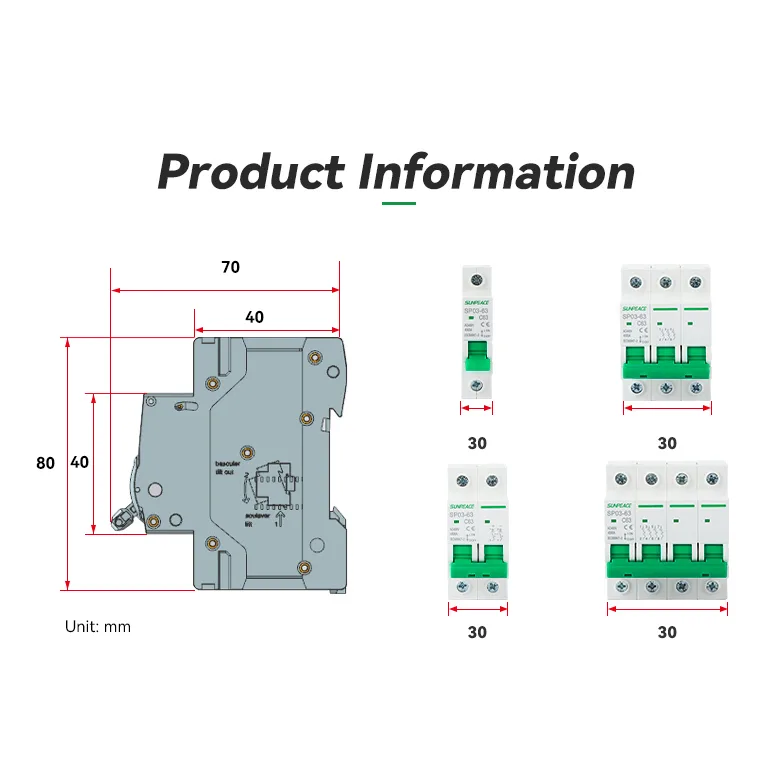
Key Types of Solar Circuit Breakers to Know
Not all solar breakers are the same. Here’s what you’ll see:
- DC Circuit Breaker: The broadest category—any breaker designed for direct current. Must-have for solar panels and battery storage.
- PV Circuit Breaker: A subset of DC breakers tailored to solar arrays. They handle higher DC voltages (600V–1000V) and are often weatherproof for outdoor installation.
- Bidirectional DC Breaker: For solar systems with battery storage. It handles both charging (from panels to battery) and discharging (from battery to home) currents.
For most home setups, you’ll need two DC breakers: one between your panel array and inverter (to protect the inverter from panel overcurrents) and another if you have a battery (to safeguard the storage system).
Buyer’s Checklist: How to Pick the Right Breaker
When shopping for a circuit breaker for solar, keep these 4 factors front and center:
1. Voltage Rating
Solar panels produce high DC voltages (600V or 1000V is standard for home systems). Your breaker must match or exceed this rating—never use a 240V AC breaker here. For example, if your panels have a 600V DC rating, pick a breaker rated for at least 600V DC.
2. Current Capacity
Calculate your panel array’s total current (watts ÷ voltage = amps). Add a 25% buffer (per NEC guidelines) to avoid tripping from normal sun fluctuations. If your array produces 15A, go for a 20A breaker.
3. Certifications
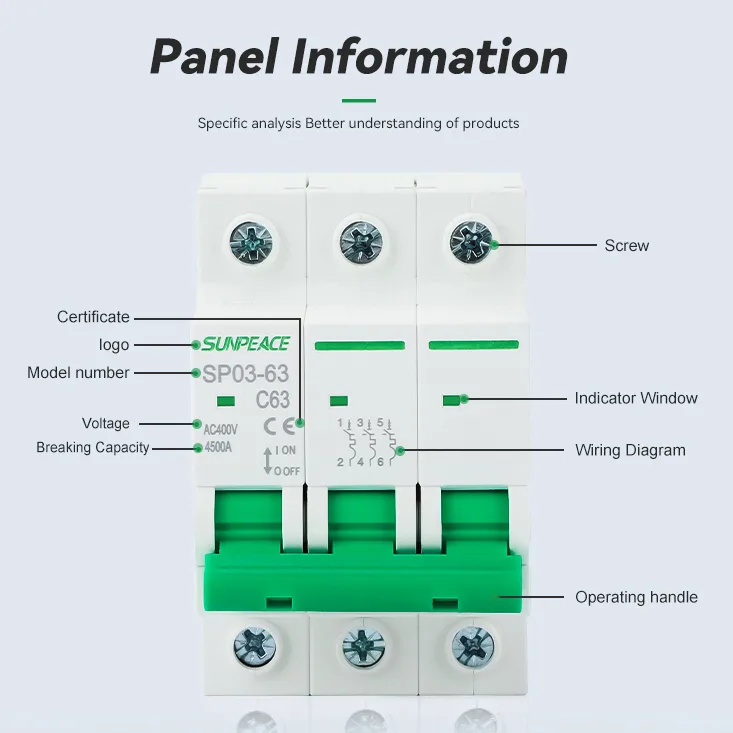
Look for labels like UL 489 (DC-rated), IEC 60947-2 (international standard), or NEC-compliant. These ensure the breaker meets safety standards—critical for passing inspections and avoiding liability.
4. Installation Location
- Outdoor (panel array side): Pick a weatherproof model (IP65 rating) to resist rain, dust, and extreme temps.
- Indoor (inverter/battery side): A standard enclosed breaker works, but make sure it’s vented to prevent overheating.
Common Mistakes to Avoid
Don’t waste money or risk safety with these errors:
- Using an AC Breaker for DC: The #1 no-no. AC breakers can’t suppress DC arcs—leading to frequent tripping or fire hazards.
- Undersizing/Oversizing: Too small = constant trips; too big = no protection when it matters. Get the sizing right.
- Skipping Certifications: Cheap uncertified breakers might save you $20 now, but they could cost thousands in repairs later.
- Ignoring Battery Needs: If you have a solar battery, skip the one-way DC breaker—go for a bidirectional model to handle charging/discharging.
Real-Life Example: My neighbor Jake installed a 5kW system and used an AC breaker. Within a week, it tripped every sunny afternoon. A tech swapped it for a 600V DC PV breaker—now his system runs flawlessly, no more headaches.
Final Tips for Solar Breaker Success
- Consult a Pro: If you’re unsure about sizing or installation, hire a licensed solar installer. They’ll match the breaker to your system’s specs.
- Check Local Codes: Some areas require specific certifications or breaker types for solar systems—don’t skip this step.
- Invest in Quality: A good DC circuit breaker costs $50–$150, but it’s worth it for peace of mind.
Choosing the right circuit breaker for solar isn’t glamorous, but it’s one of the most important decisions you’ll make. It protects your investment, keeps your home safe, and ensures your panels produce power for years to come. Don’t cut corners here—your wallet (and your safety) will thank you.